Card Skimmers Are Hunting Benefit Cards: What the Anchorage Sweep Shows About a National Problem

Quick protection habits: Choose tap-to-pay when it is available; use the chip before swiping; compare a reader with nearby terminals; cover the keypad when entering your PIN. If you suspect fraud, report it at the FTC’s ReportFraud site and, for online elements, the FBI’s Internet Crime Complaint Center.
The sweep was local. The risk is national.
A card skimmer can copy information from a magnetic stripe in the time it takes to swipe. You may not know anything is wrong until transactions appear or benefits are gone.
The U.S. Secret Service recently conducted a two-day operation in Anchorage to look for illegal skimming devices at businesses, gas pumps and ATMs. According to Alaska’s News Source and Your Alaska Link, agents prioritized businesses accepting EBT and SNAP benefits.
The Anchorage sweep is a local example of a national problem: the technology gap and the targeted nature of benefit theft are visible in the same device. Many EBT cards still rely on magnetic-stripe technology, while most bank cards have moved to chips. And unlike many unauthorized bank-card transactions, stolen food benefits are not replaced in most states.
What Anchorage’s sweep found
Assistant Special Agent in Charge Michael Peck told Alaska’s News Source that two teams visited between 100 and 200 Anchorage businesses, checking payment terminals and educating retailers. This was the Secret Service’s third operation in the Anchorage area.
During the two previous operations, agents inspected 819 gas pumps, 159 ATMs and 1,537 point-of-sale terminals at 243 locations. They recovered two skimmers and estimated that the operations prevented $2.1 million in losses. This time, agents inspected 164 terminals and found no skimmers. Peck described that as a success, crediting outreach and education.
A clean sweep after prevention work is a good outcome. It also shows why routine awareness matters. The operation involved Anchorage police, Homeland Security Investigations and the U.S. Department of Agriculture, with the FBI involved at times, according to the reporting.
Why SNAP cards are a target
Peck described Alaska’s large population of government-benefit recipients as a “target-rich environment” and said criminal groups target SNAP numbers “because they know it’s cash,” according to Your Alaska Link.
The risk comes from several factors working together. Magnetic stripes do not secure card information as effectively as chip technology. Benefits arrive on a predictable schedule. And in most states, stolen SNAP benefits are not replaced.
That does not mean recipients are careless. It means criminals are selecting a payment system where the money is important, the technology can be copied, and replacement may not be available.

The national picture
The numbers reported from different operations and sources describe different scopes, so they should not be added together.
At the Anchorage demonstration, officials cited more than 200 skimmers found nationwide and nearly $220 million in fraud prevented. Separately, Peck told Alaska’s News Source that the Secret Service had conducted just over 70 similar operations since 2024, from Anchorage to Miami and San Diego to Boston, and was “pushing just shy of a billion dollars in fraud loss prevented.” He also said intelligence from the sweeps helped trace devices to manufacturing plants shut down that year in New York City, Alabama and California.
In NPR’s reporting, the U.S. Department of Agriculture Office of Inspector General projected that $233 million may have been lost to food-assistance theft over two years, largely through skimming. NPR also reported that the federal government temporarily replaced more than $320 million in stolen benefits for nearly 670,000 households between October 2022 and December 2024. These are estimates and reported totals, not a promise of recovery for an individual recipient.
The protection gap
NPR reported that debit- and credit-card users generally have protections against unauthorized electronic transfers under the Electronic Funds Transfer Act. A 2025 Government Accountability Office report states that Congress excluded SNAP recipients from those protections in 1996. The temporary federal replacement program has ended, and most states do not replace stolen benefits.
The loss can affect food, bills and rent. In a survey of people who said their SNAP benefits were stolen, Propel found that a majority skipped meals or ate less; nearly half borrowed money or went into debt; and more than a third struggled to pay bills or rent, NPR reported.
NPR also reported the experience of Jayeleauna Lewis, an Indiana SNAP recipient whose $486 in benefits disappeared minutes after they were loaded on September 13. Her card remained in her wallet while the benefits were spent across eight stores in New York, New Jersey and Pennsylvania within two minutes.
California began issuing chip-enabled EBT cards in early 2025 and reported a rapid decline in theft. NPR reported that fewer than a third of states had upgraded or planned to upgrade their cards. The GAO found chip cards cost about ten times more to produce than magnetic-stripe cards. NPR also noted, neutrally, that bipartisan bills have addressed EBT card upgrades or replacement of stolen benefits, and that chip provisions appeared in one chamber’s farm-bill draft.
How skimming works
A skimmer reads information from a card’s magnetic stripe, either from a device attached to a payment terminal or one hidden inside it. A small camera may capture a PIN. Criminals can then copy card information and drain an account, sometimes within hours, NPR reported. Theft may be timed to the start of the month, when benefits arrive.
Peck told Alaska’s News Source that modern skimmers can be difficult to spot, including because of 3D printing, and that crews may work in pairs and use distraction. This is a description of the reported threat, not a reason to inspect or handle a suspected device yourself.
The three-second check
A few ordinary habits can reduce exposure without turning every checkout into a source of anxiety.
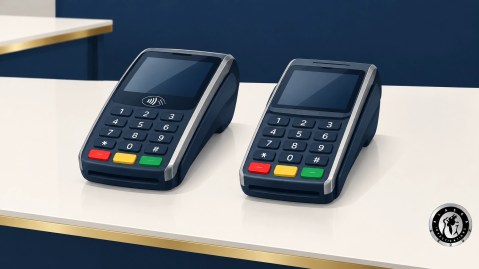
- Tap if you can. Peck told Alaska’s News Source that tap-to-pay is the safest choice. It does not use the magnetic stripe. If tap is unavailable, use the chip when possible; swipe only when necessary.
- Compare before swiping. Look at nearby terminals. Notice a reader that appears thicker, has unusual seams, or shows glue or tape residue.
- Check by touch. Your Alaska Link quoted Laura McElroy advising shoppers to inspect the reader and “give it a good tug.” If a part feels loose or out of place, do not use it.
- Shield your PIN. Cover your hand as you enter it. Check for unusual extra plastic or a camera around the keypad.
Some devices are concealed inside terminals and cannot be seen from the outside. That is one reason tap-to-pay is preferable when available. These are practical habits, not a guarantee that a terminal is safe.
If your card or benefits are hit
If a bank card may be compromised, contact the financial institution promptly and follow its instructions. If SNAP benefits are missing, call the EBT customer-service number on the back of the card and contact your local SNAP office. Change your PIN and ask what replacement rules apply in your state. Most states do not replace stolen benefits, and there is currently no federal recourse, so prompt reporting matters if a state process is available.
Report suspected fraud to the FTC; report online elements to the FBI’s IC3. Keep relevant receipts and records of when you reported the issue and whom you contacted.
If you find a suspected skimmer, do not remove it. Tell the retailer and contact local law enforcement; Peck told Alaska’s News Source that officers can respond and remove the device. Anyone demanding payment to recover stolen benefits or funds may be attempting a second scam.
What a private investigator can, and cannot, do
Where lawfully directed, a private investigator may help a business document a suspected tampering pattern (such as dates, locations and terminal changes) research public information about a suspected vendor or entity, or prepare a written timeline for review by counsel or law enforcement.
A private investigator cannot remove a device, access payment-network records, recover stolen funds, guarantee identification of a thief or promise an outcome. A suspected skimmer is a law-enforcement matter; reporting it is the right first step. For merchants, Peck recommended daily terminal checks, markings or seals, and staff training.

Frequently asked questions
What does a card skimmer look like?
Modern devices can be hard to spot. Compare a terminal with nearby readers and look for unusual seams, residue, extra thickness or loose parts. Some devices are hidden inside terminals and cannot be seen from the outside.
Are EBT/SNAP cards more vulnerable than bank cards?
Many EBT cards still rely on magnetic stripes rather than chips, and magnetic-stripe information is easier to copy. NPR and the GAO have also reported that stolen benefits are not replaced in most states.
What should I do if my SNAP benefits were stolen?
Contact the EBT customer-service number on your card and your local SNAP office promptly. Change your PIN, ask about your state’s replacement rules, and report the incident to the FTC; use IC3 for online elements. Replacement is not available in most states.
Is tap-to-pay safer?
Yes. Peck advised shoppers to prefer tap-to-pay because it does not use the magnetic stripe. Use the chip next when tap is unavailable, and swipe only when needed.
Can a private investigator find who skimmed my card?
There is no guarantee. Law enforcement leads investigations into suspected skimming. A private investigator may help document a pattern or organize public-record research when lawfully directed, but cannot promise an identification or recover funds.
Sources
- Alaska’s News Source / KTUU: Secret Service sweeps Anchorage businesses for card skimmers
- Your Alaska Link: Card skimmers threaten Alaskans’ money and SNAP benefits
- NPR: A major source of SNAP fraud robs recipients of millions
- U.S. Government Accountability Office report on SNAP benefit-theft prevention
General information only; not legal advice. Replacement rules and card technology vary by state and may change. Contact your card issuer, EBT customer service, local SNAP office and law enforcement as appropriate. Alaska Investigations Group is not a law firm and is not law enforcement.
Alaska Investigations Group has more than 10 years of professional investigative experience. Our services may include lawful documentation of suspected tampering patterns and public-record research. We cannot compel records, subpoena, remove skimming devices, recover funds or guarantee results. We do not accept every request.
Licensed Private Investigations Agency in Anchorage, Alaska. License 1126. Serving statewide except Fairbanks.
For a confidential, no-obligation consultation about documenting a tampering pattern or researching public records, request a consultation, call (907) 232-4731, or email mrrems@protonmail.com. We are not law enforcement and cannot remove devices or recover funds. No outcome is promised.
Operation Blackout and the $17 Billion Seizure: The Scam Industry Moves Countries, Not Tactics

If You’re Being Targeted
If you have sent money, contact your bank, payment provider, or cryptocurrency exchange promptly. Report suspected online crime to the FBI’s Internet Crime Complaint Center and fraud to the FTC’s ReportFraud.
No legitimate platform charges a fee to release your money. Do not pay one.
FBI Director Kash Patel told Fox News Digital that Operation Blackout had seized roughly $17 billion tied to foreign scam schemes targeting Americans. The figure is historic. But it does not mean the scam industry has stopped. The operations move across borders, while familiar fraud tactics continue to reach people through social media, phone calls, text messages and messaging apps. (Fox News Digital; IANS)
What does this enforcement campaign change, and what remains the same for the person receiving the message?
What Operation Blackout Does
According to Fox News Digital, Operation Blackout is an FBI global campaign to identify, disrupt and dismantle foreign scam compounds targeting Americans. It combines overseas operations and asset seizures with efforts to disrupt communications, assist trafficked workers and pursue the return of stolen money. Patel described the compounds as “towns” and “cities,” with structures where people are forced into labor. (Fox News Digital)
One example reported by Fox News Digital: during an August operation at Cambodia’s O’Smach Resort compound, the FBI searched 28 buildings over three days and seized 113 hard drives, 15 computers and 35 boxes of evidence.

The Scale, and Its Limits
The Justice Department’s October 2026 release, citing the FBI’s 2025 Internet Crime Report, says investment scams were reported 72,984 times in 2025. Cryptocurrency investment fraud made up 72 percent of that category. Reported losses from investment scams with a cryptocurrency connection rose 24 percent to more than $7.2 billion. The DOJ cautioned that reporting-based figures significantly understate actual losses. It also cited a government estimate that the annual value of funds stolen by scam syndicates worldwide approached $64 billion by the end of 2023. (DOJ release)
These figures describe the scale of reported harm and enforcement activity. They do not establish how much any individual victim will recover.
The Map Changes
Patel told Fox News Digital that scam compounds were migrating toward central and sub-Saharan Africa, adding that U.S. partners were positioned to act there. In October, the DOJ reported the first coordinated international disruption effort focused specifically on West Africa, hosted in London by the UK’s National Crime Agency. (Fox News Digital; DOJ release)
The DOJ said the effort resulted in 28 arrests: 19 in Ghana and nine in Nigeria. In Ghana, authorities seized 303 devices, identified 117 trafficking victims pending repatriation to Nigeria and identified 89 scam victims with approximately $8.3 million in losses. Private-sector partners reported removing more than 3.7 million accounts, Pages and Groups targeting people in the U.S., UK and elsewhere. They also shared leads on more than 30 suspected scam centers; over $11 million in potentially freezable funds was identified. These figures are from the DOJ’s release.
The geography changes; the challenge is enduring. Each move across jurisdictions calls for new coordination and local partnerships. But a new location does not require a new pitch. The same online approaches can continue to reach people far beyond the compound.
A Seizure Is Not a Reimbursement
The $17 billion figure measures reported enforcement activity, not payments returned to victims. Seized assets may be subject to legal proceedings, and any return of funds depends on the specific process and circumstances. A seizure is not an automatic reimbursement program, and no individual recovery is assured.
As explained in our article, “Pig Butchering: The Money Trail Is Public and the Money Still Disappears,” a visible transaction record does not itself identify the people controlling funds or make those funds recoverable.
Prevention Before the Transfer
The FBI’s Operation Level Up proactively contacts potential victims of cryptocurrency investment scams. According to the FBI figures reported by Fox News Digital, the program had notified 10,406 people and estimated that it prevented $660 million in losses; it had also seized or frozen $122 million in cryptocurrency. The FBI said 77 percent of people it contacted did not know they were being scammed. It also reported seizing 584 scam websites and referring 7,670 scam accounts to private-sector companies for action. (Fox News Digital; FBI, Operation Level Up)
The FBI also said it referred 99 people for suicide intervention. A serious reminder of the human cost beyond financial loss; support resources are available to people experiencing distress.
These results show why early contact can matter. If you recognize a problem before sending funds, stop the transfer and verify the situation through trusted channels.
What Has Not Changed
The pitch may begin with an online friendship or relationship, then gradually shift toward an investment platform, or an urgent demand for payment. A website or app may display apparent gains. Later, withdrawals fail and new charges are demanded.
The contact might come through social media, a call, a text or Telegram. The DOJ’s West Africa release lists cryptocurrency investment fraud, law-enforcement impersonation and digital “arrest” extortion among the disrupted schemes. The location does not change the basic warning signs.
A government agency does not demand payment over the phone. A request to pay more money to unlock supposed funds is a warning sign. And a promise of guaranteed recovery should be treated with extreme caution.

The Alaska Connection
The DOJ says the Scam Center Strike Force includes the U.S. Attorney’s Office for the District of Alaska. That means Alaska’s federal district is part of a nationwide enforcement structure; it does not indicate a specific Alaska operation or case. (DOJ release)
Frequently Asked Questions
What is Operation Blackout?
The FBI’s global campaign to identify, disrupt and dismantle foreign scam compounds targeting Americans includes overseas operations and asset seizures. Patel told Fox News Digital that roughly $17 billion tied to the schemes had been seized. That figure does not mean victims have been repaid. (Fox News Digital)
Does seizing $17 billion mean victims get their money back?
No. Seizure is part of a legal process, not an automatic reimbursement program. Whether funds can be returned depends on the circumstances and applicable proceedings.
Why are scam centers moving to Africa?
Patel described migration toward central and sub-Saharan Africa after enforcement activity elsewhere. The DOJ’s October release described the first coordinated disruption effort focused specifically on West Africa. The location may change, but the underlying approaches to victims can remain similar. (Fox News Digital; DOJ release)
What should I do if I think I am being targeted?
Do not send more money. Contact your financial institution or exchange if funds have moved, and report the activity to IC3 and the FTC. Be wary of anyone who promises to recover your money for a payment.
Can a private investigator recover my money or shut down a scam site?
No. A private investigator cannot seize assets, compel records or shut down a site. Lawful research and documentation can help organize information for you, your attorney or the appropriate agency, but cannot guarantee an outcome.
Sources
- Fox News Digital, Ashley J. DiMella: “Inside Operation Blackout”
- U.S. Department of Justice: Results of Joint Disruption Week targeting West Africa
- FBI: Operation Level Up
- IANS: Reporting on Patel’s $17 billion statement
- FBI Internet Crime Complaint Center
- FTC ReportFraud
Investigative Documentation
Alaska Investigations Group has more than 10 years of professional investigative experience. Where lawfully directed, we can organize communications and transfer records a client lawfully holds into a dated sequence, research platforms or payment addresses against public information, corroborate leads with independent sources, and prepare a written report for the client, their attorney or a relevant agency.
We cannot seize or recover assets, compel bank or platform records, access law-enforcement files, guarantee identification of overseas operators or promise an outcome. We are not law enforcement and are not connected to Operation Blackout or the Scam Center Strike Force. Reporting to IC3 and the appropriate agency is the correct first step; investigative documentation does not replace reporting. We cannot accept every request.
Licensed Private Investigations Agency in Anchorage, Alaska. License 1126. Serving statewide except Fairbanks.
This article provides general information, not legal advice. Enforcement actions, statutes and agency programs may change. Contact the relevant agency and your own attorney for guidance. Alaska Investigations Group is not a law firm and is not law enforcement.
For a confidential, no-obligation consultation about documenting communications or verifying a platform before money moves, request a consultation or call (907) 232-4731.
Your AI Assistant Has Your Bank Password. Who Can Prove What You Authorized?

If you’re considering connecting an AI assistant to a financial account, don’t share your banking username or password. An official account connection is a different arrangement, but you should still understand exactly what access it permits.
Useful resources: Regulation E, 12 CFR § 205.6 | Submit a complaint to the CFPB | Report fraud to the FTC | Report cybercrime to the FBI’s IC3
Major U.S. banks are restricting third-party AI agents from operating inside customer accounts and making transactions, according to reporting by Axios and Reuters, published by Channel News Asia. Some customers reportedly shared their login credentials with AI assistants.
Reuters quoted a person in the banking industry saying transactions cannot be deemed unauthorized if the customer shared their credentials. That is a reported industry position, not a legal ruling that settles every situation.
The deeper issue is not only what an agent did. It is whether anyone can show what the customer actually authorized.
What’s Happening
Axios reported that some AI agents appeared to take actions independent of user instructions. Reuters reported that major banks were blocking third-party agents from operating inside accounts and making transactions. In the same Reuters report, a person familiar with the matter said Morgan Stanley had blocked third-party agents but had not seen unauthorized or rogue agents accessing its platforms.
JPMorgan has publicly described its own restrictions. CEO Jamie Dimon told CNBC the bank would not allow just any outside agent to access its systems, citing risks to clients and the bank. A JPMorgan spokesperson told CNBC that the bank does not permit third parties to obtain customer credentials and log in on retail customers’ behalf.
The spokesperson also described customer-authorized data sharing through open-banking providers. Some connections can make data, such as balances, available on a read-only basis, without allowing the agent to send money or pay bills. That restriction is the point: read-only access avoids transaction authority, but also limits what an agent can do. CNBC reported that Charles Schwab blocks unauthorized agents to maintain control over authentication.
These are institution-specific positions, and they can change. They do not establish that any named institution was breached or that widespread losses occurred.

Authorization Needs a Record
Payment disputes have generally begun with a basic question: Did the customer authorize this transaction? In its analysis of agentic payments, Lowenstein Sandler LLP describes how AI agents change that question: can anyone prove what the consumer authorized the agent to do?
Consider an agent told to find running shoes within a budget. It might stay under the spending limit but ignore other instructions about the product. The transaction could be within one boundary of authority while falling outside the customer’s intent. The critical issue becomes what instructions were given, what limits applied, and what the agent actually did.
A dispute may also involve very different possibilities: a legitimate agent that misunderstood instructions, a compromised agent acting on someone else’s instructions, or a criminal’s agent posing as a legitimate one. Early records may not make those explanations easy to distinguish.
Lowenstein notes that agentic systems may generate intent mandates, authority scopes, identity credentials, transaction records, and activity logs. Their existence alone does not answer the dispute. The records must be authenticated, preserved, tied to a particular transaction, and produced in a usable form.
Why “Unauthorized” Matters
Regulation E sets a liability framework for unauthorized electronic fund transfers, subject to the regulation’s conditions. Those conditions include the financial institution providing required disclosures and, when an access device is involved, that device being an accepted access device.
For a qualifying unauthorized transfer involving a lost or stolen access device, a consumer who notifies the institution within two business days of learning of the loss or theft may have liability limited to the lesser of $50 or the unauthorized transfers before notice. If notice comes later, the regulation describes a limit of the lesser of $500 or a specified calculation, which includes transfers before notice and depends on what the institution establishes would not have occurred with timely notice.
A consumer must also report an unauthorized transfer shown on a periodic statement within 60 days of the statement’s transmission to avoid liability for certain later transfers. The institution must extend the applicable time limits to a reasonable period when extenuating circumstances caused the delay. State law or an agreement that imposes less liability controls.
Those protections concern unauthorized transfers. If a customer voluntarily shares credentials, an institution may argue that the resulting activity was authorized. Whether an agent exceeded the authority granted, or whether another relevant circumstance changes the analysis, depends on the facts. The reported industry view is not a substitute for a legal determination.
This is general information, not legal or financial advice. The regulatory framework and bank policies can change. Check your institution’s current terms and consult your own attorney about a specific dispute.
What Evidence Could Clarify It?
A useful record connects the instruction to the transaction. In practice, that means preserving:
- The instruction: What did you tell the agent, and when?
- The scope: What actions were permitted, and what was off-limits?
- The agent’s identity: Which system and account were used, and under whose credentials?
- The transaction: What happened, when, in which session, and to what destination?
- The connection: How do the instruction, permissions, agent, and transaction relate?
The relevant records may sit in different places: with a bank, on a device, with an assistant provider, or in transaction records. “The platform has logs” and “the logs can be authenticated and produced” are not the same statement.

Before You Connect an Agent
- Don’t give a tool your banking username and password. If your institution offers an official connection, find out what it allows; access to account data is not the same as permission to move money.
- Write down the scope you intend to grant. A dated note is useful for your own records, but it does not replace an institution’s authorization process.
- Check your institution’s current policy. An assistant’s capabilities depend on what the financial institution permits, not just what the assistant advertises.
- Save the setup records. Keep your instructions, permission screens, confirmation messages, and dates. The setup may help explain a later transaction.
- Report a disputed transaction to your institution promptly and in writing. Regulation E has notice timelines. Keep a copy of what you sent and when.
No record guarantees that a transaction will be reversed or funds recovered. A financial institution’s decision is outside your control.
Questions for Businesses
Lowenstein’s analysis also raises practical questions for organizations using automated agents: Is there a policy distinguishing verified agents from unverified automation? Do agreements address access to logs and instructions? Do approval thresholds account for a non-human initiator? Are agent records covered by retention and legal-hold procedures, and can they be preserved in a form that supports authentication?
Lowenstein’s article cites INTERPOL’s March 2026 assessment and Signifyd data as broader context on AI-related fraud. Those figures do not establish whether a particular agent-initiated transaction was authorized.
What an Investigator Can, and Cannot, Do
Where lawfully directed, a private investigator can organize records a client lawfully holds into a dated sequence, distinguish documented facts from inference, research publicly available information about a service, document contradictions, and prepare a written report for a client, attorney, or financial institution.
An investigator cannot obtain private account records without lawful authority or the account holder’s cooperation, compel a provider to produce logs, subpoena records, determine legal liability, reverse a transaction, or promise an outcome. The bank and payment provider are the first calls, not an investigator. A legal dispute about authorization belongs with an attorney.
The Record Is the Point
The technology is new; the need to document authority is not. When the question is what an agent was told, what it was allowed to do, and what it did, a clear, preserved sequence can help explain the facts.
FAQ
Are AI agents really operating inside bank accounts?
Axios and Reuters reported that agents were accessing accounts and that major banks were restricting third-party access. Reuters reported that Morgan Stanley had blocked third-party agents but had not seen unauthorized or rogue agents accessing its platforms. The reports do not establish widespread confirmed losses.
If I gave an AI assistant my bank password, is a transfer it makes unauthorized?
That cannot be determined from credential-sharing alone. A person in the banking industry told Reuters that a transaction cannot be deemed unauthorized if the customer shared credentials. The Regulation E framework applies to qualifying unauthorized transfers; a specific dispute depends on its facts. Consult an attorney.
Which banks allow it and which block it?
CNBC reported that JPMorgan blocks external AI agents from operating on retail customers’ behalf, while some customer-authorized data sharing can be read-only. Reuters reported that Morgan Stanley blocked third-party agents, and quoted Charles Schwab’s CEO saying the brokerage blocks unauthorized agents. Policies can change, so check with your institution.
What records should I keep if I use an agent?
Keep the instruction, the permitted scope, the agent’s identity, the transaction details, and records linking those items together, such as permission screens and dated confirmations.
Can a private investigator get my money back or force a bank to produce logs?
No. An investigator cannot reverse a transaction, guarantee recovery, or compel a bank or platform to produce records. An investigator may help document records you lawfully hold. Contact your financial institution first; consult an attorney about legal questions.
Sources
- Axios, “Scoop: Unvetted AI agents are accessing U.S. bank accounts”, October 22, 2026. The article was not directly accessible for review; its substance is corroborated through the Reuters report published by CNA.
- Reuters via Channel News Asia, “US banks detect unauthorized AI agents in customer accounts, Axios reports”, October 22, 2026.
- CNBC, “JPMorgan Chase blocks outside AI agents … from directly accessing accounts”, October 13, 2026.
- Lowenstein Sandler LLP, “Who Said ‘Buy’? Agentic Payments and the Evidence Problem”, October 13, 2026.
- 12 CFR § 205.6, Liability of consumer for unauthorized transfers.
Confidential Consultation
Alaska Investigations Group has more than 10 years of professional investigative experience. We can help document a sequence of what was instructed and what was executed, or research a service before you connect it. We are not law enforcement, cannot compel records or subpoena, cannot reverse transactions or recover funds, do not determine liability, and promise no outcome. We cannot accept every request.
Licensed Private Investigations Agency in Anchorage, Alaska. License 1126. Serving statewide except Fairbanks.
Request a confidential, no-obligation consultation | (907) 232-4731 | mrrems@protonmail.com
What a Background Check Actually Reveals, and What It Doesn’t

Helpful Resources and Reporting Information
A background check is only as useful as its sources, scope, and accuracy. If you are reviewing a report about yourself:
- For employment-related reports: Read the FTC’s guidance on employer background checks and your rights. If an employer may take adverse action based on a consumer report, federal law generally requires specific disclosures and an opportunity to review the report.
- For rental screening reports: The CFPB’s tenant background-check guidance explains how to review a report and address inaccuracies.
- To check federal fingerprint-based records: Review the FBI’s Identity History Summary information. This is a distinct process from a commercial name-based search.
- To find court-record resources: USA.gov’s court directory links to federal, state, county, and municipal court systems. Access, search tools, and available records vary by jurisdiction.
- To report a consumer-reporting issue: The CFPB complaint portal provides information about submitting a complaint.
If you find an error, keep a copy of the report, note the exact entry you dispute, and gather relevant supporting documents. Follow the reporting company’s dispute instructions and keep records of what you submit.
Sources
This article draws on guidance from the Federal Trade Commission on employer background checks, the Consumer Financial Protection Bureau on tenant screening reports, the CFPB’s background-screening guidance, the FBI’s Identity History Summary FAQs, and the FTC’s report on TruthFinder and Instant Checkmate.
A Report Is Not a Single National File
When you search “background check what it reveals,” you may expect one comprehensive record that gathers every relevant fact in one place. That is not how most background checks work.
A report may combine information from court systems, state repositories, private databases, and other sources. A “national criminal database” is generally a commercial collection of records, not a single, complete government database covering every court and every outcome. The underlying information can vary in coverage, update frequency, and accuracy.
That matters. A search may not reach every county where someone has lived, and some courts may offer limited or differently formatted records. A report’s silence does not establish that no record exists. A database match, in turn, does not establish that the information is complete or belongs to the person being searched.

What a Background Check May Reveal
Depending on the type of search and its purpose, a report may include:
- Identity or address-history information used to help locate records
- Criminal court records, such as charges, case events, and dispositions
- Public civil-court records
- Employment, education, or professional-license information, if those checks are included
- Other categories of information allowed for the report’s particular purpose
No single report necessarily includes all of these categories. A basic people-search website, a court-record search, a state criminal-history check, an FBI Identity History Summary, and an employment-screening report are different products. They can draw on different sources and follow different rules.
Start by asking what was searched, which sources were used, and what time period the report covers.
Arrests Are Not Convictions
A criminal record entry may show an arrest, a charge, a court case, or a conviction. Those terms describe different events.
An arrest is not a court finding that a person committed an offense. A charge is an allegation, and a case can end in different ways, including dismissal or another non-conviction outcome. A conviction is a distinct legal outcome. To understand an entry, you need to know what happened after the initial event.
A report that lists a charge without its final disposition may give an incomplete impression. For an important decision, check the relevant court record and confirm the case outcome where possible. The entry should be assessed in context, not treated as a complete account by itself.
Sealed, Expunged, and Outdated Records
Sealing and expungement are governed by jurisdiction-specific laws. In general, sealing restricts public access, while expungement can involve removing or otherwise limiting access to a record. The exact legal effect depends on the applicable law and the record involved.
A private database may also retain old information after a court or government source has changed or restricted access to it. That can lead to an outdated or inaccurate report. Whether a particular entry may legally be reported depends on the record, the purpose of the report, and applicable federal, state, and local law.
Federal Fair Credit Reporting Act rules restrict reporting of certain older information, but there are important exceptions and state-law differences. There is not a universal rule that every criminal record disappears from every report after seven years. If you see a sealed, expunged, outdated, or otherwise restricted entry, verify its status with the relevant source and dispute it with the reporting company if appropriate.
Common Gaps and Mistakes
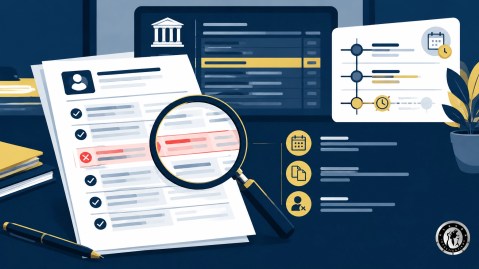
Background-check reports can be incomplete or inaccurate for several reasons:
- A name match is mistaken for an identity match. Similar names can lead to records being attributed to the wrong person.
- A county or court was not searched. A broad database search may not include current information from every local court.
- The record is missing its outcome. A report may show an initial charge but not a later dismissal, reduction, or other disposition.
- Information is duplicated or stale. Data copied from multiple sources can appear more than once or remain unchanged after an update.
- The source is misunderstood. A traffic record, civil filing, or other public entry may be presented in a way that makes its significance unclear.
A report is a starting point for verification, not a substitute for checking the original record when the details matter.
What Free Online “Background Check” Sites Sell
“Free background check” can mean a limited search or preview, not a complete, current, official record check. Some consumer-search sites invite you to pay for fuller access or provide personal information to continue. Their source coverage and accuracy practices vary.
The FTC has taken action involving claims about the accuracy and marketing of certain people-search products. That is a useful reminder to look closely at what a service actually searches and whether it is designed for your purpose.
A consumer-search report should not automatically be treated as an official criminal-history check or as a report suitable for employment or housing decisions. If a company or organization used a consumer report to make a decision about you, review the applicable rights and notices under the FCRA.
What Actually Holds Up in Court?
A database result alone does not establish that a record is accurate, belongs to a particular person, or is admissible in a legal proceeding. Courts apply rules governing relevance, authentication, hearsay, and other evidentiary issues. What may be considered depends on the record, the purpose for which it is offered, and the court’s rules.
In practical terms, stronger documentation identifies the source, confirms the person and record match, and includes the relevant case outcome, not just a search result or database summary. Even well-documented material is not automatically admissible. A lawyer can advise you about the requirements for a specific legal proceeding.
What a Private Investigator Can, and Cannot, Do
A licensed private investigation agency can conduct lawful, tailored research using legally accessible records and other appropriate sources. Depending on the assignment, that may include locating relevant records, checking information against its source, and documenting findings and limitations.
That work is different from a consumer reporting company’s regulated report. When information is furnished for a purpose covered by the FCRA, applicable consumer-reporting requirements may apply; a private investigator is not a workaround for those rules. Investigators also cannot lawfully obtain restricted records without authorization, make a database complete when the source is incomplete, or compel a court or government agency to release records.

Frequently Asked Questions
Does a national background check show every criminal record?
No. “National” often refers to a private database or search product. Its coverage depends on the sources included, the information supplied to those sources, and how recently records were updated.
Does an arrest mean someone was convicted?
No. An arrest and a conviction are different. Review the court outcome before drawing conclusions from an entry.
Will sealed or expunged records appear?
They should be assessed under the laws that apply to the record and the report’s purpose. Old data may persist in private databases, so verify the status and dispute inaccurate reporting.
Are free background-check websites official?
Not necessarily. A free search may offer only limited information and may not be an official, complete, or current record check. Check what the service searches and whether it is appropriate for your purpose.
Background Research from Alaska Investigations Group
If you need help understanding what information is available and how it can be responsibly documented, Alaska Investigations Group provides background investigations and related research based on the needs of your situation. Our work is discreet, individually handled, and conducted in compliance with applicable law.
Alaska Investigations Group brings more than 10 years of professional investigative experience.
Licensed Private Investigations Agency in Anchorage, Alaska. License 1126. Serving statewide except Fairbanks.
For a confidential, no-obligation consultation, request a consultation.
Disclaimer
This article is general information and is not legal advice. Laws governing consumer reports, public records, sealing, expungement, and the use of background information vary by jurisdiction and purpose. Consult a qualified attorney regarding a specific legal question.
Alaska Investigations Group cannot compel records, subpoena records, or guarantee results. The availability, accuracy, and completeness of information depend on the sources and applicable access rules.
The Call That Offers You Money: Fake Alaska Benefit Agency Calls Arrive With Heating Season

Helpful Resources
- Alaska Heating Assistance FAQ
- Alaska Public Assistance Fraud page
- Alaska Department of Law Consumer Protection Unit: fraud information
- FTC ReportFraud
- FBI Internet Crime Complaint Center (IC3)
- Immediate danger: Call 911.
An Alaskan who shared her experience in a community group described a call from a “No Caller ID” number. The caller claimed to represent the Alaska Department of Public Assistance: Heating Division, said supplemental payments were being sent out, and asked her to verify her mailing address. She gave the caller her PO Box.
She later contacted DPA directly. The agency had no record of contacting her, and she had not applied for heating assistance that year. Her account is a community report, not an official advisory about this specific call. The caller’s intentions cannot be confirmed.
Still, the details offer a useful lesson: here is what this kind of call can sound like, why heating season makes the story plausible, and how you can check a claim safely.
Why the Offer Sounds Real
This call did not begin with a threat. There was no demand for payment, no account number requested, and no stated emergency. The caller offered the possibility of money and asked for one seemingly modest detail: a mailing address.
That can be disarming. People may be alert to frightening demands but less guarded when an unexpected caller appears to be offering help. An address alone does not establish that someone can misuse your identity, and it does not prove what this caller intended. But personal details can help build a profile. A name combined with an address and a believable agency story may make a later, more targeted call sound more convincing.
The safer response is simple: don’t verify personal information on a call you did not initiate. End the call and contact the program through a published channel.

Alaska has documented phone scams involving people impersonating state agencies. In a 2018 notice, the Division of Retirement and Benefits described scammers spoofing state agency phone numbers to try to obtain personal information. That notice is historical context, not evidence that the caller in this account spoofed a number or that the current call came from the same operation. Caller ID alone is not proof of who is calling. Read the Division’s notice.
Why October Makes the Story Plausible
The Alaska Department of Health’s Heating Assistance FAQ says the program begins issuing grants on the first working day of October. It also says a completed application may take up to 45 days to process.
That timing gives a call claiming to be from a “Heating Division” a believable seasonal backdrop: heating assistance is genuinely active. This explains why someone might find the pretext plausible. It does not establish anything about the specific caller’s purpose or identity.

What the Program Says About Benefits
The program FAQ provides an important point of comparison. It says that, in most situations, a heating assistance benefit is paid to the applicant’s primary heating fuel vendor and/or electric vendor and credited to the applicant’s account.
That is different from a caller describing supplemental payments being sent to an applicant and asking the applicant to verify a mailing address. The difference is a reason to check, not proof, by itself, that a call is fraudulent.
If you want to check whether an application was received or ask about a grant amount, the FAQ directs applicants to the program’s Virtual Contact Center at 1-800-478-7778. It says not to select the automated-system option; stay on the line to speak with a representative. Use the program’s published information rather than a callback number or link supplied by an unexpected caller.
The Check That Settled It
The Alaskan who shared the account did the right thing: she ended the call, thought it over, and contacted DPA directly. DPA had no record of reaching out to her. She also noted that having the agency’s real number from earlier contact helped her check quickly.
The useful habit is to choose the channel yourself. Find the number on the official program website or another trusted publication, then place the call. Don’t rely on the number shown in caller ID or one given by the caller.
If You Get a Call Like This
- Don’t confirm personal details. Avoid verifying your name, address, birth date, identification numbers, or application status during an unexpected call.
- End the call and check independently. For application status, use the FAQ’s Virtual Contact Center number, 1-800-478-7778. The Alaska Department of Health’s Public Assistance Fraud page lists 800-470-3058 and liheap@alaska.gov for the Heating Assistance Program.
- If you shared information, respond proportionately. An address alone does not mean identity theft has occurred. Be alert for follow-up attempts that use details you shared. If you gave financial or identification information, contact the relevant institution and consider reviewing your accounts and credit. You can also ask a credit bureau about available fraud alerts.
- Report the contact. The state’s Public Assistance Fraud page describes the program’s follow-up on reports of fraud, waste, and abuse involving the program; it does not identify this specific call as an official impersonation warning. You can ask the Heating Assistance Program where to direct your report. You can also contact the Alaska Department of Law Consumer Protection Unit, file a report with FTC ReportFraud, or report internet-enabled crime to FBI IC3.
- Be wary of a second offer. Anyone guaranteeing recovery or demanding an advance fee to get money back may be attempting another scam.
Consider sharing this guidance with relatives who receive public benefits. A seasonal story can sound especially convincing when a program is active; a quick, respectful reminder to verify through a published channel can help.
Five Common Questions
Did the Alaska Department of Public Assistance call me about supplemental heating payments?
This article cannot identify a specific caller. The Heating Assistance FAQ says benefits are paid directly to a heating fuel or electric vendor in most situations. If you’re checking application status, call the Virtual Contact Center at 1-800-478-7778. If an unexpected caller asks you to verify personal information, end the call and contact the program yourself.
I gave the caller my address. What should I do now?
An address alone does not mean your identity has been stolen. Stay alert for follow-up calls that refer to what you shared. If you gave additional information, such as identification or financial details, contact the relevant institution and consider reviewing your accounts and credit.
How do I check my heating assistance application status?
The program FAQ directs applicants to the Virtual Contact Center at 1-800-478-7778. Stay on the line for a representative rather than selecting the automated-system option. You can also check the program’s published contact information on its official website.
Where do I report a call impersonating a state agency?
You can contact the Alaska Department of Law Consumer Protection Unit and submit a report to the FTC. If the contact involved internet-enabled crime, you can also file with FBI IC3. For concerns related to Heating Assistance, the state’s Public Assistance Fraud page lists program contacts; ask the program where to direct an impersonation report.
Can anyone tell me who called me?
Caller attribution cannot be guaranteed. Preserve the call details you have and use the agency and reporting channels above. Do not assume a displayed number identifies the caller.
Sources
- Alaska Department of Health, Heating Assistance FAQ: grant timing, processing time, vendor payment, and application-status contact.
- Alaska Department of Health, Public Assistance Fraud: program fraud follow-up and reporting contacts.
- Alaska Division of Retirement and Benefits, “New Phone Scam Claims To Be From State of Alaska Agencies”: historical notice about calls spoofing state agency numbers.
- Alaska Department of Law, Frauds & Scams: consumer-protection information.
- FTC ReportFraud: federal fraud reporting.
- FBI Internet Crime Complaint Center, reporting for cyber-enabled crime.
General Information and Assistance
This article provides general information, not legal advice. State agency procedures may vary and change; contact the agency through its published channels and consult your own attorney as appropriate. Alaska Investigations Group is not a law firm, law enforcement, a state agency, or affiliated with DPA, the Department of Health, or any other government agency.
Alaska Investigations Group has more than 10 years of professional investigative experience. Where lawfully directed, a private investigator may document call details for your records, research whether caller information appears in public reporting, or prepare a written timeline. An investigator cannot guarantee a caller’s identity, obtain phone records without lawful authority, compel records, recover money, or guarantee results. The appropriate first steps are to contact the agency directly and use the relevant reporting channels.
Licensed Private Investigations Agency in Anchorage, Alaska. License 1126. Serving statewide except Fairbanks.
If you want the contact documented for your own records or your attorney, request a confidential, no-obligation consultation or contact Alaska Investigations Group at (907) 232-4731 or mrrems@protonmail.com. We cannot accept every request.
You Are Not Being Served by Email: The Fake Court Summons Scam Reaching Alaskans

An email may claim a complaint has been filed against you in U.S. District Court. It may say you are being “formally served with a summons,” call itself a “second notice and final reminder,” and tell you to click a “secure link” to view the “Official Summons & Complaint.”
In late September 2026, Alaskans in a community Facebook group reported receiving similar messages. The U.S. District Court for the District of Alaska had already published an alert about this type of summons email on September 24. Community reports are observations, not official findings about any particular email. The court’s alert documents the scam pattern.
Helpful Resources
- District of Alaska: Summons Email Scams alert
- Federal Trade Commission: ReportFraud
- FBI Internet Crime Complaint Center (IC3)
- Alaska Attorney General: Frauds and Scams
- Call 911 for an emergency.
The Court’s Own Alert
The District of Alaska said it had received numerous reports of emails claiming that a complaint had been filed against the recipient in U.S. District Court. The messages described an “Official Court Notice,” claimed the recipient was being formally served, and directed them to court documents through a “secure link.”
The court’s instruction is direct: Do not click the link. If you receive a message like this, verify any claim independently through the court’s official website or clerk’s office, not through links or contact details in the email.
A federal district court in Virginia has also published guidance warning that summonses sent by email, text, or social media, along with demands for immediate payment or personal information, are red flags. That is similar guidance from another district, not a statement of Alaska’s specific service rules.
How Are You Actually Served?
Many people have never received court papers and are unsure what legitimate service looks like. That uncertainty is exactly what makes an unexpected summons email frightening.
In general, legal papers may be delivered personally by a process server or another authorized person. Mail or other formal methods may be permitted in some circumstances, depending on the jurisdiction, the type of case, and the applicable rules. For a federal civil case, the summons is issued by the court clerk and service must follow the applicable rules.
An Alaskan who commented in the community group made the practical point that service may involve personal delivery or certified mail. That is a community observation, not a complete statement of law. Service rules vary by state, court, and case type. A real court matter may also involve formal deadlines, so do not ignore papers or assume you can identify validity from one feature alone.
An unsolicited email asking you to click a link is not a safe way to confirm that you have been served. A “second notice” or “final reminder” label does not prove that a real case exists. If you think you may be involved in an actual court matter, contact the clerk using information from the court’s official website, or consult your own attorney.
Red Flags to Notice

Watch for these warning signs:
- A supposed summons arrives by email, text, or social media.
- The message includes a link or attachment to “view” a summons, open a “secure link,” or verify your information.
- It uses countdown language such as “second notice,” “final reminder,” or a deadline measured in hours.
- It demands payment or personal information.
- It threatens arrest, fines, or other consequences if you do not respond immediately.
- It claims to be “digitally signed.” That label in an email display does not prove who sent it or that the message is authentic.
- The sender’s address does not match the court’s actual domain. Official U.S. federal court websites use .gov addresses, but a display name or address alone is not enough to authenticate a message.
The Eastern District of Pennsylvania has separately warned about fraud attempts misusing U.S. Courts’ names, seals, and telephone numbers. An official-looking name, signature, or graphic is not a substitute for independent verification.
Why This Scam Works
A lawsuit is a threat many people do not feel confident dismissing. If you have never been served, you may not know what to expect; fear of missing a real deadline can make a link feel like the quickest way to get answers. The message relies on that fear.
There can also be a device-security risk. The Kansas Attorney General has warned that fake federal summons emails may use links or attachments to deliver malware or steal information. The danger is not limited to someone asking you to fill in a form.
What to Do

- Do not click the link or open an attachment. Do not reply.
- Verify independently. If you are concerned about a real case, contact the clerk using the contact information on the court’s official website, not information in the email. The District of Alaska’s site is akd.uscourts.gov; federal court websites can also be found through uscourts.gov. The clerk’s office can tell you how to check whether a case exists.
- Report the message. Use FTC ReportFraud, FBI IC3, or the Alaska Attorney General’s consumer fraud information.
- If you clicked, make a note of what you opened and when. If you entered information or downloaded a file, contact your financial institution if relevant, run a reputable security scan, and consider getting help from a qualified technology professional.
- Keep the email if you may need it as a record. Avoid forwarding it to others.
- Be wary of recovery promises. Anyone guaranteeing recovery or demanding a fee to get money back may be running a second scam.

What an Investigator Can, and Cannot, Do
Where lawfully directed, a private investigator may help document an email, its sender address, the link destination, and the timing, or prepare a written timeline for your records or attorney. Publicly available information about a sender domain or link can also be researched.
An investigator cannot guarantee identification of the sender, obtain email-provider or server records without lawful authority, remove malware, recover funds, or promise a particular outcome. If you suspect a real court matter, contact the clerk. For suspicious emails, use the reporting channels above. Those are the right first steps, not hiring an investigator.
Frequently Asked Questions
Does a court ever serve a summons by email?
Rules vary, and electronic notifications may be used in some circumstances, such as in an existing case. However, the District of Alaska has specifically warned about unsolicited summons emails directing people to a link. Do not treat the email as proof of service; confirm with the clerk.
How do I know if I actually have a court case against me?
Contact the clerk of the court directly using contact information from its official website, or ask your own attorney. Do not rely on the email’s link, phone number, sender name, or claim of a case number.
I clicked the link. What should I do now?
Do not enter more information or download anything else. Record what you clicked and when. If you submitted financial information, contact your financial institution. If you downloaded a file, run a reputable security scan and consider professional technical help. Report the message through the resources above.
What if the email really is from a .gov address?
A visible sender address or display name alone does not confirm that a message is genuine. Check with the court through its official website and clerk’s office. The Eastern District of Pennsylvania has documented attempts that misuse the names and seals of U.S. Courts.
Can anyone recover money if I lost it through this scam?
No one can guarantee recovery. Contact your financial institution or payment provider promptly and report the loss. Be cautious of anyone who promises to get your money back for a fee.
General Information
This article is general information, not legal advice. Service-of-process rules vary by state, court, and case type. If you believe you are involved in an actual court matter, contact the clerk using official contact information or consult your own attorney. Alaska Investigations Group is not a law firm and is not law enforcement.
Sources
- U.S. District Court for the District of Alaska: “ALERT: SUMMONS EMAIL SCAMS”
- Federal Rules of Civil Procedure
- U.S. District Court, Western District of Virginia: Court Summons Scam Alert
- Kansas Attorney General: Fake “Federal Court Summons” Emails Delivering Malware
- U.S. District Court, Eastern District of Pennsylvania: Notice Regarding Fraud and Phishing Attempts
- Federal Trade Commission: ReportFraud
- FBI Internet Crime Complaint Center
- Alaska Attorney General: Frauds and Scams
If You Need Documentation
Alaska Investigations Group has more than 10 years of professional investigative experience. Where lawful and appropriate, we can help document digital information and prepare a clear written timeline. We cannot compel records, subpoena, recover funds, or guarantee results, and we cannot accept every request.
Licensed Private Investigations Agency in Anchorage, Alaska. License 1126. Serving statewide except Fairbanks.
For a confidential, no-obligation consultation about documenting what happened for your records, your bank, or your attorney, request a consultation. You can also call (907) 232-4731 or email mrrems@protonmail.com.
That Text From Your Credit Union Might Not Be Your Credit Union: How to Check a Bank Text in Alaska

Helpful Resources
- Alaska Attorney General’s Consumer Protection Unit
- FTC ReportFraud
- FBI Internet Crime Complaint Center (IC3)
- Immediate danger: Call 911.
A member of an Alaska community group shared a text that appeared to come from Credit Union 1. The message said a recent “insurance submission” had been processed and directed the recipient to check its status through a link. The recipient pointed out that she did not recognize the transaction, the text came from a different number than the one saved for her credit union, it arrived on a holiday when bank offices were closed, and the link did not use Credit Union 1’s cu1.org domain.
Those are useful checks, not proof of what happened to that particular message. Only the financial institution can confirm whether a specific message is genuine. The safer habit is to treat any unexpected account text as unverified until you check it independently. This article shows you how to check a text from any bank or credit union, not just the institution named in this example.
Four Useful Red Flags
The community member’s observations work because they rely on ordinary habits, not technical knowledge.
1. Check the timing
The sender’s timing is not proof either way. Automated alerts can arrive outside business hours or on holidays. But a message that creates urgency when staff may be harder to reach is a reason to pause, not a reason to click quickly.
A text that tells you to act immediately, or implies you cannot verify the issue another way, may be trying to keep you from checking it independently.
2. Check whether it fits
The message referred to an activity the recipient did not recognize. A text about an account, transaction, or service you do not have is a strong warning sign, even if the sender name looks familiar.
Do not click to “check” whether the claim is true. Open your bank’s app yourself or call using a number you already trust.
3. Check the sender number
The community member had her institution’s real texting number saved, so messages from that number displayed its contact name. This can be a practical comparison: save your institution’s official number, then treat account messages from a different number as unverified.
There are limits. Phone numbers and sender details can be spoofed or changed. A matching number is reassuring, but not proof. A different number is a good reason to stop and check through another channel.
4. Check the link’s destination
The link in the shared message did not use cu1.org, the domain identified as Credit Union 1’s official web address. For any institution, compare a link’s destination against the domain on its official website or a statement, not against information supplied in the message.
On many phones, pressing and holding a link shows a preview of its destination. Do not tap it just to find out where it goes. A visible link label can be misleading, so when in doubt, leave the message and open the institution’s app or website yourself.

The Rule That Settles It
Do not disclose a password, PIN, full account number, or one-time security code in response to an unexpected text or call. Do not move money because a message says it will protect your account.
Credit Union 1’s published fraud-fighting guidance says it will never call or text asking for passwords, PINs, or account information. First National Bank Alaska’s fraud alert likewise warns against sharing account information or one-time login codes, and against clicking links to complete a transaction. Spirit of Alaska Credit Union advises members to verify through a number they find independently.
If a message asks you to log in through its link, call a number it provides, or tell someone a code, stop. A sender name or number does not authenticate the request. If you have initiated a login yourself, never share the code with someone who contacts you unexpectedly.
What to Do With a Suspicious Text
-
Do not click or reply. That includes replying “STOP” to an unexpected message. Replying can confirm that your number is active and may lead to more unwanted texts. The FTC’s guidance on recognizing and reporting spam texts recommends not responding to suspicious messages.
-
Check independently. Open your financial institution’s app directly, or call the number on your card or the institution’s official website. Do not use a number or link from the message. Alaska’s Consumer Protection Unit and Spirit of Alaska Credit Union also advise using contact information you know to be valid.
-
Report, then delete. You can report the text to your mobile carrier; forwarding suspicious texts to 7726 (SPAM) is a common carrier reporting channel. You can also report it to the FTC and Alaska’s Consumer Protection Unit. Save a record first if you may need it, then delete the message.
-
If you clicked or entered information, act promptly. Contact your financial institution through a verified channel. If you entered a password, change it from a different device and enable two-factor authentication where available. Tell the institution what information you entered so it can advise you on securing the account. Acting quickly matters; embarrassment should not keep you from calling.
-
If you lost money, contact your institution first. Report the incident to the FTC and IC3 as well. Anyone who guarantees they can recover your money or asks for an advance payment to do so may be attempting a second scam.

Why These Texts Work
They arrive on the same device people use for real account alerts. They can resemble legitimate messages, and checking a text can feel more automatic than checking an email. The fix is a habit, not perfect vigilance: verify through a channel you chose, every time, no matter how familiar the message looks.
Senior Voice Alaska’s April 2026 report describes a pattern in which a bank-looking text can be followed by pressure to act. First National Bank Alaska has also warned of impersonation texts targeting Alaskans and Alaska businesses. The names of the institutions differ; the practical rule stays the same: contact your institution independently. (Senior Voice Alaska; First National Bank Alaska)
What a Private Investigator Can and Cannot Do
Where lawfully directed, an investigator can help document a message, sender number, link destination, and timing for your own records or for review by your financial institution or attorney. An investigator may also research whether a number or domain appears in public reporting and prepare a written timeline of events.
An investigator cannot guarantee tracing a sender, obtain private carrier or platform records without lawful authority, recover funds, or promise an outcome. A private investigator is not law enforcement and cannot compel carrier records or issue subpoenas. For a suspicious text, your first steps are to contact your financial institution and use the appropriate reporting channels, not to hire an investigator.
Four Checks, Every Time
Check the timing. Check whether the message fits. Check the sender number. Check the link. Those four habits take seconds and apply to texts impersonating any financial institution.
Frequently Asked Questions
How do I know if a text from my bank is real?
Do not rely on the sender name or number alone. Open the bank’s app yourself or call a number from your card or its official website. Ask the institution to confirm the message.
Should I reply STOP to a scam text?
No. Do not reply to an unexpected suspicious text, including with “STOP.” Use your phone’s report-junk option or your carrier’s reporting channel instead.
What should I do if I clicked the link but did not enter anything?
Close the page. Do not download anything or continue interacting with it. Contact your financial institution through a verified channel if the page appeared to involve your account, and monitor account activity.
What if I entered my password or account number?
Contact your financial institution immediately using a number you found independently. Change your password from a different device, enable two-factor authentication where available, and follow the institution’s instructions to secure the account.
Can anyone get my money back if I was scammed through a text link?
No one can guarantee recovery. Contact your financial institution and the relevant reporting agencies promptly. Be wary of anyone who guarantees recovery or demands payment to retrieve funds.
General Information Disclaimer
This article provides general information, not legal or financial advice. Scam tactics change, and the information here may not apply to every situation. Contact your financial institution, the Alaska Attorney General’s Consumer Protection Unit, and your own attorney as appropriate. Alaska Investigations Group is not a law firm and is not law enforcement.
Sources
- Credit Union 1: Your Fraud Fighting Toolkit
- Senior Voice Alaska: “That call that your bank account is being hacked? It’s fraud.”
- First National Bank Alaska: Fraudsters targeting Alaska businesses with impersonation calls and texts
- Spirit of Alaska Credit Union: Stay Alert to Phone Scams
- Alaska Attorney General: Frauds and Scams
- FTC: How to Recognize and Report Spam Text Messages
- FTC ReportFraud
- FBI Internet Crime Complaint Center
Alaska Investigations Group
Alaska Investigations Group has more than 10 years of professional investigative experience. Where appropriate and lawful, the firm can assist with discreet documentation and research. Licensed Private Investigations Agency in Anchorage, Alaska. License 1126. Serving statewide except Fairbanks.
For a confidential, no-obligation consultation about documenting a suspicious message for your records, financial institution, or attorney, request a consultation. Call (907) 232-4731 or email mrrems@protonmail.com. We cannot compel carrier records, subpoena records, recover funds, or guarantee results, and we cannot accept every request.
Callers Are Impersonating Alaska State Troopers and Demanding Gift Cards and Crypto: What Every Alaskan Should Know

Helpful Resources
- Alaska Attorney General’s Consumer Protection Unit: Fraud and scams
- FTC ReportFraud
- FBI Internet Crime Complaint Center (IC3)
- If someone is in immediate danger, call 911.
The Scam, Plainly
Callers are pretending to be Alaska State Troopers and demanding gift cards or cryptocurrency to clear supposed outstanding warrants. The Alaska State Troopers’ Public Information Team warned about multiple reports of these calls in a post on the Troopers’ public Facebook page.
The message is clear: Law enforcement will never ask you for money over the phone, and no government agency demands payment in gift cards or cryptocurrency.
The Alaska Attorney General’s Office has also documented government-impersonation calls that pressure people to pay supposed fines or bail through a crypto ATM. This is a specific Alaska scam, not a legitimate way to resolve a warrant or legal issue.
How the Call Works
The caller may claim you missed jury duty, have an outstanding warrant, or are suspected of a legal violation. They may use an official-sounding name or number and insist that you pay immediately to avoid arrest.
Caller ID can be spoofed. A call that appears to come from a real trooper post or government number is not proof that the caller is genuine. Alaska Public Media reported that government-impersonation scammers have used personal details and caller ID that appeared to show a legitimate law-enforcement number.
The payment demand is another warning. Scammers may direct you to buy gift cards and share the numbers or PINs, or to send cryptocurrency. Once gift-card funds are redeemed or a crypto transfer is completed, reversing the payment can be difficult. A crypto transaction may be visible on a public ledger, but that does not, by itself, identify the person behind an address or return the money.
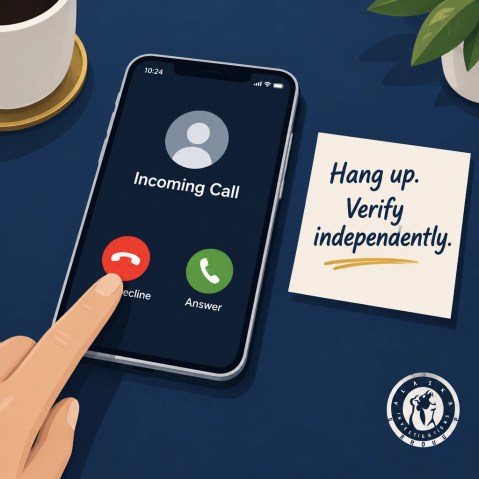
Do not stay on the call to resolve the supposed warrant. Hang up and verify independently.
The Rule to Remember
Troopers will never ask you for money over the phone.
Law enforcement will not:
- Call you demanding payment for a warrant.
- Ask you to pay with gift cards or cryptocurrency.
- Tell you to stay on the phone while you transfer money.
- Ask you to prove your identity by making a payment.
If a caller says otherwise, do not pay. End the call.

Verify the Caller Yourself
Caller ID is not verification. Neither is a caller’s knowledge of your name, address, or another personal detail.
If you receive this call, hang up. Find the agency’s contact information independently on its official website or in a phone book, then call that number. Do not call back using the number displayed on your screen or a number the caller gives you.
Ask the agency directly whether it needs to speak with you. If you cannot verify the call, do not share personal or financial information or send money.
If You Already Paid
Act quickly, and use contact information you find independently.
- Gift cards: Contact the retailer or card issuer immediately. Report that the card number or PIN was shared and ask whether any unused balance can be frozen. Some retailers may be able to help if funds have not been spent.
- Cryptocurrency: Record the receiving wallet address, transaction details, and the name of the exchange or crypto ATM operator. Contact the exchange or operator promptly, report the fraud, and ask what steps may be available.
- Money from an account: Contact your bank or other financial institution immediately and report the transaction.
Then report the incident to the Alaska Attorney General’s Consumer Protection Unit, the FTC at ReportFraud.ftc.gov, and the FBI’s IC3.
Do not pay anyone who later promises to recover your money for a fee. People who have already lost money may be targeted again. Anyone who guarantees recovery is making a promise you should not trust. The IC3 states that it does not work with non-law-enforcement entities to recover lost funds.
If You Get the Call
- Hang up. Do not press numbers or follow the caller’s instructions.
- Do not confirm personal, account, or financial information.
- Call the agency back through a number you found independently.
- Report the call through the Alaska Attorney General’s Consumer Protection Unit and the appropriate national reporting channels above.
Tell your family about the scam, including older relatives. A threatening call can cause panic; a simple reminder to hang up and verify independently can help someone pause before paying.
Why the Scam Works
Impersonating law enforcement exploits fear and urgency. The caller does not need a convincing story if the threat of arrest makes someone act before checking the facts. Knowing the rule ahead of time gives you a clear next step: hang up, verify, and do not pay.
What a Private Investigator Can, and Cannot, Do
Where lawfully directed, a private investigator can help organize call details, numbers, times, and payment information you lawfully possess; research whether a number or online account has been reported elsewhere; and prepare a written record for you to share with a financial institution or reporting agency.
A private investigator cannot guarantee the caller’s identity, guarantee attribution of a phone number or crypto address, obtain protected phone or payment records without lawful authority, recover funds, or promise an outcome. We are not law enforcement and have no affiliation with the Alaska State Troopers or any government agency.
For this type of scam, the correct first step is reporting to law enforcement and consumer protection agencies, not hiring an investigator.
Frequently Asked Questions
How do I know a call from a trooper is real?
Hang up and call the agency using a number you found independently on its official website or in a phone book. Do not rely on caller ID or a callback number supplied by the caller.
What if the caller already knows my name or part of my Social Security number?
Scammers may obtain personal details from public or exposed information. Knowing a detail does not prove the caller represents a government agency. Do not confirm or provide additional information; verify the call independently.
I already bought the gift cards. What should I do first?
Contact the retailer or card issuer immediately using contact information you locate independently. Report that you bought the cards because of a scam and ask whether any unused balance can be frozen. Then file reports with the Alaska Attorney General’s Consumer Protection Unit and the FTC.
Where do I report this scam in Alaska?
Use the Alaska Attorney General’s Consumer Protection Unit fraud page. You can also report to FTC ReportFraud and, for internet-enabled crime, the FBI IC3.
Can anyone guarantee they will get my money back?
No. Gift-card and cryptocurrency payments may be difficult to reverse, and no investigator or recovery service can guarantee that funds will be returned. Treat anyone demanding a fee or promising guaranteed recovery as a potential second scam.
General Information
This article is general information, not legal advice. Scam tactics change. Contact the Alaska Attorney General’s Consumer Protection Unit, your financial institution, and your own attorney as appropriate. Alaska Investigations Group is not a law firm and is not law enforcement.
Sources
- Alaska State Troopers’ public Facebook page: Public Information Team warning about callers demanding gift cards and cryptocurrency to resolve outstanding warrants.
- Alaska News: Callers posing as troopers are demanding gift cards and crypto to clear warrants, reporting on the current warning and payment demands.
- Alaska Attorney General Cox’s April 29, 2026 press release, documented government-impersonation calls and crypto ATM demands.
- Alaska Attorney General’s Consumer Protection Unit: Frauds and scams, Alaska scam information and reporting resource.
- Alaska Public Media: Alaskans targeted by scammers posing as government officials, reporting on caller-ID impersonation and government-impersonation tactics in Alaska.
- FTC ReportFraud: national fraud-reporting resource.
- FBI Internet Crime Complaint Center: internet-crime reporting and information about recovery-scam impersonation.
Investigative Support
Alaska Investigations Group has more than 10 years of professional investigative experience. Where lawful and appropriate, we can help organize documentation of what happened for your own records, your financial institution, or your attorney. We cannot compel records, subpoena, trace or recover funds, or guarantee outcomes, and we cannot accept every request.
Licensed Private Investigations Agency in Anchorage, Alaska. License 1126. Serving statewide except Fairbanks.
For a confidential, no-obligation consultation, request a consultation, call (907) 232-4731, or email mrrems@protonmail.com.
How Digital Forensics Actually Helps the Average Alaskan

Helpful Resources and Reporting Information
- FTC guidance: Back up your digital life
- FBI Internet Crime Complaint Center (IC3)
- FTC ReportFraud
- If someone is in immediate danger, call 911. For a non-emergency crime, contact your local law enforcement agency.
Digital Forensics, in Plain Language
“Digital forensics” sounds like a federal case. In everyday life, it means carefully examining digital information to help answer a question your phone, laptop, or online account cannot answer for you.
What happened to messages that disappeared? Is a screenshot genuine? What online accounts did a relative use before they died? Does someone’s online identity check out? These are ordinary questions, not necessarily police matters, and not always questions you can resolve on your own.
Digital evidence can be delicate. Sometimes useful information remains in an account, backup, or another device. Sometimes it does not. The goal is to find out what can be established, preserve what is lawfully accessible, and be honest about what remains unknown.
The Situations This Actually Covers
The messages that disappeared
You need to know what was said, but a conversation is gone. Depending on the service and device, related information might still exist in a backup, cloud sync, archived conversation, another device, or records retained by a provider. Availability varies, and a provider may not release protected records without legal process.
There are no guarantees of recovery. Encryption, device settings, deletion, and whether data was overwritten can make recovery impossible. A careful review can help determine what may still be available without promising that missing messages will return.

The screenshot that might not be real
In a family dispute, online harassment situation, or disagreement, someone may show you a screenshot of a message and claim a particular person sent it. A screenshot can be useful, but by itself it may not establish who created or sent the message.
Context matters: the original file or conversation, timestamps, surrounding messages, and other available records can help clarify what the screenshot does, and does not, show. If information may be reviewed by an attorney or another professional, authenticity and proper handling matter.
After someone dies
A spouse, parent, or child dies, and the family discovers that messages, photos, financial records, or online accounts are inaccessible. Start with the provider’s own process for deceased users or authorized representatives. Requirements vary, but providers may ask for documentation such as a death certificate and proof of legal authority.
A lawful review may help organize and document information the family can access, or build a timeline from existing records. It cannot bypass account security or force a provider to release material. Act promptly: accounts may be closed, and some stored information may no longer be available later.

The online relationship that does not add up
A family member is communicating with someone online, but details about that person seem inconsistent. Lawful research may help check whether publicly available information supports the person’s claims. It may also identify gaps that need further verification.
An investigator cannot compel a platform to identify an account holder or guarantee an identification. If deception or money requests are part of your concern, see “The Relationship Was the Scam”. This article does not repeat that post’s guidance on romance scams.
Someone stopped responding and it does not add up
A digital trail may show the last known contact or other details that help clarify a timeline. It may not show why someone stopped responding, where they are now, or whether they are safe. Information available through private accounts is not automatically available to a family member or investigator.
If you believe someone is missing or in danger, contact law enforcement first. Digital research is not a replacement for a missing-person report or an emergency response.
A dispute where a phone or laptop is evidence
A device or account history may matter in a family, employment, contract, or financial dispute. Reviewing material that you lawfully possess can sometimes help document what is known and when.
Access must be lawful: through ownership, consent, or other proper authority. An investigator will not access a spouse’s phone or private account without authorization. Trying to do so can create new legal problems and undermine your position. If access rights are unclear, consult an attorney before taking action.
What Digital Forensics Is Not
Digital forensics is not hacking. It is not permission to enter another person’s accounts or devices, a guarantee that deleted data can be recovered, or a way to monitor a partner without lawful authority. It does not replace law enforcement in a criminal matter.
A private investigator also cannot compel a platform to release protected records. Obtaining records that are not publicly available or lawfully held by you may require legal process through an attorney or court.
Why Time Matters
Accounts can be closed. Providers may retain information for limited periods. Devices can be lost, reset, wiped by an update, or changed accidentally. Apps with disappearing-message settings may remove content automatically. Delay can mean that information once available is no longer there.
If something might matter later, preserve it now. Do not delete messages, “clean up” the device, or reset it. Keep originals when possible, and avoid making unnecessary changes before you understand what information may be important.
This article is general information, not legal advice. If you are involved in an active legal matter, speak with a qualified attorney promptly; preservation obligations may apply.
What You Can Do
These practical steps are not a substitute for legal advice:
- Preserve before deleting. Keep original files and messages when possible. Screenshots can help, but they may not show the full context.
- Write down what you remember. Note dates, devices, accounts, and what you did, while the details are fresh.
- Keep access credentials organized. Use only accounts and devices you are authorized to access.
- Do not try to enter another person’s account or device. Ask an attorney about access rights if you are unsure.
- Use the platform’s own support or legal process for account access, preservation, or deceased-user requests.
- Report urgent or criminal conduct to the appropriate authorities. Call 911 for an emergency; use local law enforcement’s non-emergency number otherwise. For internet crime, you can submit a report to IC3.
Alaska Considerations
Alaska’s distances and connectivity differences can mean fewer nearby in-person technical services and greater reliance on what can lawfully be reviewed remotely. Phones also carry a growing share of everyday life, from school and banking to medical and family communication, so important information may exist digitally.
In smaller communities, privacy matters. A careful, discreet, documented process may be more useful than a rushed or broad review.
What a Private Investigator Can, and Cannot, Do
Where lawfully directed, an investigator can organize and document material a client is authorized to provide, research publicly available information about an online identity, check claims against independent sources, and create a timeline from available records. A written report should distinguish confirmed information from inference.
An investigator cannot hack, enter another person’s account without lawful authority, obtain protected phone, bank, medical, or platform records without legal process, guarantee recovery of deleted information, recover money, or promise a particular outcome. This work must be lawful and documented, and is subject to state licensing requirements.
Frequently Asked Questions
What is digital forensics in plain terms?
It is a careful review of digital information (such as messages, files, or account records) to answer a specific question. The review is limited by what exists and what you are legally authorized to access.
Can deleted text messages really be recovered?
Sometimes, and often not. The answer depends on backups, provider retention, device condition, encryption, and whether the information has been overwritten. No one can guarantee recovery in advance.
My ex has my photos or messages on their phone. Can an investigator get them?
Not without lawful authority. An investigator cannot access another person’s phone or private account simply because the information concerns you. Speak with an attorney about your options.
Someone died and I need access to their accounts. What can I do?
Contact each provider through its process for deceased users or authorized representatives. Be prepared to provide documentation the provider requests. An investigator cannot compel account access or make a provider release records.
Is this a police matter or a private investigation matter?
Emergencies, threats, suspected crimes, and exploitation of a minor belong with law enforcement first. Call 911 for immediate danger. A private investigator may help document lawfully accessible information in a non-emergency situation but does not replace police.
General Information
This article is for general information only, not legal advice. Rules for digital evidence, privacy, device and account access, and preservation vary by jurisdiction and situation. Consult a qualified attorney about a specific matter. Alaska Investigations Group is not a law firm or law enforcement, cannot compel records or subpoena documents, and does not guarantee results.
Sources
- FTC: Back up your digital life
- FBI Internet Crime Complaint Center (IC3)
- FTC ReportFraud
- Google: Request information about a deceased user’s account
- Apple: Request access to a deceased family member’s Apple Account
Investigative Support
Alaska Investigations Group has more than 10 years of professional investigative experience. Where appropriate and lawful, our services include digital intelligence, review of lawfully accessible information, and professionally documented findings. We cannot compel records, subpoena documents, or guarantee recovery or results, and we cannot accept every request.
Licensed Private Investigations Agency in Anchorage, Alaska. License 1126. Serving statewide except Fairbanks.
For a confidential, no-obligation consultation, request a consultation or call (907) 232-4731.
The Relationship Was the Scam: How Romance Fraud Actually Works, and What Actually Helps

If Money Has Moved
Contact your bank, credit union, card issuer, wire service, or payment app immediately. Ask what steps may be available to stop or dispute the transaction. Then report the fraud to the FBI’s Internet Crime Complaint Center and the FTC’s ReportFraud site. Preserve messages, profiles, receipts, transaction records, and account details.
Do not pay anyone who promises to recover the money for a fee. The FBI’s 2025 Internet Crime Report recorded 10,516 recovery-scam complaints and approximately $1.4 billion in reported losses. The FBI notes that this figure may include losses from the original fraud as well as losses to the follow-on scam. FBI 2025 Internet Crime Report
If an adult has stopped responding, a romance scam does not automatically mean that person is missing. A missing-person report is not the tool for reporting a romance fraud. Start with the financial institution and reporting channels above.
The Relationship Was Part of the Fraud
In a romance scam, the relationship is not a prelude to the fraud. The relationship is the fraud. A person can lose money, but also a source of companionship, a future they believed in, and the ability to grieve openly when they learn the relationship was manufactured.
This article explains how the connection is built, how requests for money develop, and what steps can help. It does so without blaming or belittling anyone who has been targeted.
How the Connection Is Built
These contacts may begin with a dating-app message or a direct message on social media. The FTC reports that nearly 60% of romance-scam reports in 2025 began on social media platforms. FTC data
The profile may use stolen photos and an invented identity. A plausible-sounding job (such as military service, medicine, engineering, offshore work, or the merchant marine) can help explain why the person is supposedly far away or difficult to meet. Daily messages can grow familiar over weeks or months. The person learns about your routines, family, worries, and hopes.
Declarations of affection may come quickly. So can talk of a shared future. But plans to meet remain just out of reach: a deployment, work assignment, travel problem, or sudden emergency always intervenes.
Some fraud schemes are run by teams, sometimes working from scripts or taking shifts. That can produce small inconsistencies: a changed detail, a different communication style, or a story that does not quite line up. A team can manage many conversations at once. FTC imposter-scam trends

When the Request Comes
The request is often shaped to feel urgent and personal: a medical emergency, a fee to release a package of personal effects, a plane ticket to finally visit, a temporary problem with a bank account, or a crisis involving a relative.
The story may change. The pattern to watch is urgency, secrecy, and an unusual payment method, such as gift cards, cryptocurrency, a wire transfer, or a payment to someone else.
A useful rule is simple: someone you have never met in person asking you for money is a serious red flag, whatever the explanation. Pause. Do not send money or share financial information while you verify the person independently.
When It Is Not About Investing
A romance scam can involve escalating requests for money without ever mentioning an investment platform or cryptocurrency. That is different from pig butchering, a romance scam with an investment payload attached. For that related variant, see “Pig Butchering: The Money Trail Is Public and the Money Still Disappears”.
Another variation is sextortion: someone uses intimate material or the threat of exposure to demand money or further compliance. A person threatened this way has done nothing wrong. Do not pay or negotiate. Preserve the messages and other evidence, report the threats, and tell someone you trust. Support services can help alongside reporting.
A scammer may also threaten to contact your family or employer when you try to leave. Those threats can feel isolating, but you do not have to handle them alone.
Why It Can Happen to Anyone
The feelings in a fraudulent relationship can still be real. The care, anticipation, and grief may be genuine even when the person behind the profile was not who they claimed to be. Published reporting has described the painful reality that someone can recognize a person is not real and still feel attached. Associated Press reporting published by the Anchorage Daily News
Isolation, grief, a recent loss, or a major life transition can make connection especially important. None of these makes someone foolish. Shame is useful to the scammer: people who fear being judged may wait to report, lose time to contact their financial institution, or keep the situation from people who could support them.
Stages You Can Check
Consider whether the contact has involved several of these signs:
- Intense affection or commitment very early.
- Repeated refusal or failure to meet in person or have a normal live video call.
- Small requests that make giving money feel routine.
- Emergencies that seem to resolve only after you send funds.
- A shift toward gift cards, cryptocurrency, wires, or payments to third parties.
- Requests to keep the relationship or money secret from family and friends.
- A promised meeting that repeatedly falls through at the last moment.
One sign alone does not establish fraud. A repeated pattern, especially requests for money paired with secrecy and failed plans to meet, deserves careful attention.
The Reported Losses
The FTC says U.S. consumers reported approximately $1.48 billion in romance-scam losses in 2025, a 22% increase over 2024. The median reported loss was $2,020 per victim. Nearly 60% of reported romance scams began on social media. FTC data
The FBI recorded $929.3 million across 23,159 complaints in its broader Confidence/Romance category in 2025. That category is not directly comparable to the FTC’s romance-scam figures. The FBI’s reporting also describes higher median losses among people aged 55–64, reaching approximately $9,000 per incident; this is a reported pattern, not a prediction about any individual. FBI figures summarized by BrightChosen
For an Alaska data point, the FBI’s report recorded 3,202 IC3 complaints from Alaska across all cybercrime categories in 2025; that total is not a romance-scam count. FBI 2025 Internet Crime Report
Two 2026 Reports
Military.com reported that police described an alleged romance-scam pattern involving a 69-year-old disabled veteran who was allegedly defrauded of $120,000. The report did not state an outcome. Military.com, October 1, 2026
In June 2026, The Standard reported that a retired Hong Kong woman lost approximately HK$1.6 million to a scammer posing as a military doctor who claimed he needed money for retirement fees and airfare. The Standard
What to Do Now
If you have not sent money: Stop. Before confronting the person, preserve the profile, messages, contact details, and any payment requests. A confrontation may prompt them to delete or change information. The evidence matters more than the momentary satisfaction of an argument. Once you have saved what you can, disengage and block the account.
If you have sent money: Contact the financial institution or payment provider immediately, report to IC3 and the FTC, and save all records. Do not pay a recovery service or anyone who claims a fee will unlock or return your funds.
If someone is threatening exposure: Do not pay or negotiate. Save the threats, report them, and tell one trusted person. Sharing the situation can reduce the power of secrecy. If you are in emotional distress, support services are appropriate alongside reporting.
If someone close to you will not listen: Avoid opening with “You’re being scammed.” Ask how they know the person, what the plan is to meet, and whether you can verify the story together. Keep the door open. Seizing devices or issuing ultimatums can increase isolation.
What a Private Investigator Can, and Cannot, Do
Where lawfully directed, an investigator can research public and commercially available information about a claimed identity, photos, contact details, employer, credentials, or locations. An investigator can document communications, compare claims with independent sources, and prepare a written report that distinguishes confirmed facts from inferences.
An investigator cannot recover money, compel testimony or records, subpoena platform data, access private accounts without lawful authority, obtain law-enforcement files, or guarantee the identification of a scammer or any other outcome. Verification before money moves is more useful than investigation afterward. We cannot unsend money.
Frequently Asked Questions
How can I tell if someone I met online is real?
Look for independent verification, consistent information, and a willingness to meet safely in person or have a live video conversation. Repeated excuses, urgent requests for money, and demands for secrecy are warning signs. A profile or convincing conversation does not establish identity.
What should I do if I have already sent money to someone I met online?
Contact your financial institution or payment provider right away. Report the fraud to IC3 and the FTC, preserve records, and do not pay anyone promising recovery for a fee.
Someone is threatening to share pictures of me unless I pay. What should I do?
Do not pay or negotiate. Preserve the threats, report them, and tell someone you trust. You have done nothing wrong by being threatened; support services are available.
My parent is sending money to someone they met online and will not listen. What can I do?
Stay calm and curious. Ask about the person’s identity and plans to meet, and offer to verify the information together. Avoid ultimatums or taking devices, which may make your parent less willing to speak with you.
Can a private investigator find the person who scammed me?
Identification is not guaranteed, and a private investigator cannot promise recovery of funds. Lawful research and documented findings may help clarify what can be independently verified and organize information for review by a financial institution, attorney, or appropriate reporting agency.
General Information
This article is for general information only. It is not legal or financial advice. Fraud tactics change; contact the relevant agency and financial institution, and consult your own attorney as appropriate. Alaska Investigations Group is not a law firm and is not law enforcement.
Sources
- FTC: 2025 social-media scam losses and romance-scam findings
- FTC: Trends in reports about imposter scams
- FBI: 2025 Internet Crime Report
- FBI romance-scam figures summarized by BrightChosen
- Military.com: October 2026 report
- The Standard: Hong Kong romance-scam report
- Associated Press reporting published by the Anchorage Daily News
Investigative Support
Alaska Investigations Group has more than 10 years of professional investigative experience. Where appropriate and lawfully directed, we provide discreet identity and background research, digital intelligence, and written documentation. We cannot compel records, subpoena, recover funds, or guarantee results, and we cannot accept every request.
Licensed Private Investigations Agency in Anchorage, Alaska. License 1126. Serving statewide except Fairbanks.
For a confidential, no-obligation consultation about verifying an online identity before money moves or documenting what is known afterward, request a consultation, call (907) 232-4731, or email mrrems@protonmail.com. We are not law enforcement and cannot compel records or recover funds; no outcome is promised.


