What Drives the Cost of a Private Investigator in Alaska? You’re Paying for Access

Everyone asks the same question:
What does a private investigator cost in Alaska?
Almost nobody answers it in a way that helps you understand your situation.
The honest answer is that investigative fees are driven by the assignment, not by a generic price list. A defined records search, a surveillance operation, a remote Alaska field assignment, and a litigation-support investigation are not the same type of work.
That is why Alaska Investigations Group does not publish a rate card. A headline number without the facts of your case would be misleading. It would not tell you what is being investigated, where the work must occur, how quickly it must be organized, what documentation you need, or how much professional experience is required.
You are not simply paying for hours. You are accessing investigative experience, planning, documentation, and an Alaska network built over more than 10 years of professional investigative experience.
Here are the factors that actually drive the cost.
1. Scope Comes First
What exactly are you asking an investigator to determine?
That question shapes everything downstream.
There is a major difference between:
- Confirming a specific identity or address
- Researching an individual’s background
- Documenting activity during defined time periods
- Investigating a child custody concern
- Conducting surveillance connected to a civil dispute
- Researching assets, vehicles, or associations
- Reviewing digital information
- Supporting an attorney with organized evidence and reporting
A defined question gives an investigator something measurable to plan around.
An open-ended suspicion is different. If you do not know what you need confirmed, which people are involved, where relevant activity may occur, or what information already exists, the investigative process may require additional analysis before fieldwork begins.
That does not mean your concern is unimportant. It means the first professional step is converting uncertainty into a workable assignment.
A precise question creates a precise investigative plan.
During a confidential consultation, we discuss what you know, what you believe, what you need to document, and what decision you are trying to make. The clearer the scope, the clearer the work plan.
2. Hours and Duration Matter
Investigative work is time-based, but the time is not limited to what you see an investigator doing in the field.
A surveillance assignment may involve:
- Reviewing the available information
- Identifying likely locations and activity windows
- Planning lawful observation positions
- Traveling to and from the assignment area
- Maintaining observation
- Recording timestamps and activities
- Preserving photographs or video
- Preparing a chronological report
- Organizing supporting materials for review
A short observation window may require significant preparation. A longer operation may involve repeated travel, changing conditions, multiple locations, or additional documentation.
This is why an efficient plan can cost less than a long, unplanned operation. Planning helps focus investigative time on the question that actually matters instead of allowing the assignment to drift.
Professional surveillance is not simply “watching someone.” It is structured observation, accurate timekeeping, lawful evidence collection, and disciplined reporting. You can learn more about that process in our guide to what gets documented during Alaska surveillance and what may hold up in court.

3. Alaska Geography Changes the Assignment
Alaska is enormous. Its geography is not a minor detail in an investigation. It is often one of the central planning factors.
Many communities are not connected by a continuous road network. Depending on the location and assignment, travel may involve:
- Small aircraft
- Boats
- Ferries
- Long highway routes
- Remote lodging
- Limited cellular coverage
- Weather-related delays
- Seasonal access limitations
- Specialized equipment and preparation
A surveillance assignment in an accessible urban area is operationally different from an assignment involving a remote community, a coastal location, or multiple places spread across the state.
Weather and seasonality also matter. Snow, darkness, limited visibility, road conditions, ferry schedules, and changing daylight can affect when and how lawful observation is conducted. A plan that appears simple on a map may require substantial logistical preparation in practice.
Alaska Investigations Group provides statewide coverage except Fairbanks. Every assignment is evaluated according to its actual location, access conditions, travel requirements, and legal boundaries.
That geography is part of the work.
4. Timing and Urgency Change the Shape of the Work
When do you need the investigation conducted?
Short-notice scheduling, weekend assignments, holiday work, and urgent surveillance requests may require the investigative team to reorganize existing commitments, adjust staffing, and prepare more quickly.
Urgency can also affect the strategy. A compressed timeline may leave less room for preliminary research, route planning, scheduling around predictable activity, or waiting for better operating conditions.
Sometimes immediate action is necessary. Sometimes rushing creates avoidable limitations.
The right question is not simply, “How fast can this be done?” It is:
What timing gives the investigation a responsible opportunity to document the relevant facts?
We are available for consultations 24/7 so you can discuss the situation before making a decision. You are not required to rush into an assignment. At the same time, delay can change schedules, conditions, travel access, and the availability of useful information.
Clarity begins with an honest conversation about timing.
5. Documentation and Reporting Depth
What do you need at the end of the investigation?
A brief verbal update is not the same work product as a detailed file prepared for attorney or professional review.
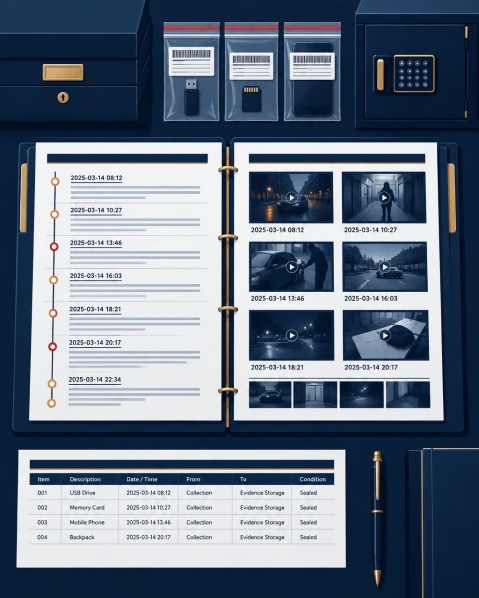
A usable investigative file may include:
- A surveillance log
- Investigator identification
- Dates, times, and locations
- Subject and vehicle descriptions
- Notes regarding visibility, weather, and lighting
- Detailed activity entries
- Timestamped photographs or video
- Original media preservation
- An item index
- A chronological written report
- Chain-of-custody documentation
- Notes identifying interruptions or limitations
The deeper the documentation, the more time is required to create, organize, review, and preserve it.
Chain of custody is particularly important when media or other evidence may later be reviewed by an attorney, claims professional, opposing party, or court. Documentation should identify who collected the material, how it was stored, whether copies were made, who accessed it, and whether any enhancement or editing occurred.
Professional reporting also requires objectivity. A report should describe what was observed, not exaggerate, speculate about motives, or present unsupported conclusions.
No investigator can guarantee that a court will admit a particular piece of evidence. Admissibility depends on the facts, applicable rules, and the court. However, lawful collection, accurate timestamps, preserved original media, organized reporting, and documented evidence handling create a more durable work product for professional review.
6. The Experience and Network Behind the Work
This is the centerpiece.
What drives the cost is also our experience in Alaska. When you engage us, you access the tried-and-true professional network we have built over more than 10 years of professional investigative experience. That is the basis for our fees.
That network is not a slogan. It means practical knowledge developed through years of investigating in Alaska.
It means knowing:
- Which records may exist and where to look for them
- How a specific community may affect case planning
- How Alaska travel and logistics change an assignment
- Which questions should be asked before fieldwork begins
- How to coordinate a discreet and lawful investigation
- What information can be responsibly verified
- What cannot be done legally or professionally, and refusing it
Experience helps an investigator avoid wasted effort. It helps identify the difference between a useful lead and an unsupported assumption. It helps determine when surveillance is appropriate, when research should come first, and when a proposed tactic must be rejected.
That access cannot be bought quickly or replicated by someone who is new to the state.
A person can purchase equipment. A person can read general investigative procedures. A person can create a website.
But Alaska-specific judgment, professional relationships, field familiarity, and disciplined case experience are developed over time.
That is the difference between paying for hours and accessing capability.

What You Should Ask Any Investigator
When you contact a private investigator, do not ask only for an hourly figure. Ask questions that reveal how the assignment will actually be handled.
Ask:
- How will you define the scope of my matter?
- What work is included beyond field hours?
- How will Alaska geography affect the plan?
- What documentation will I receive?
- How are original media and chain of custody handled?
- What legal limitations apply to the proposed methods?
- Who will be responsible for the investigation?
- Does your team have experience working in the relevant Alaska community or region?
- Do you serve my location?
Alaska Investigations Group is a discreet, law-compliant investigative firm with more than 10 years of professional investigative experience. Licensed Private Investigations Agency in Anchorage, Alaska. License 1126. Serving statewide except Fairbanks. Our team includes former intelligence personnel with college-level education, and our work is conducted discreetly and in compliance with state and federal law.
We provide surveillance, background investigations, child custody investigations, digital intelligence, asset and vehicle locating, criminal and civil investigation support, litigation support, and confidential research throughout Alaska except Fairbanks, as well as for matters extending beyond the state.
Move From Uncertainty to a Clear Plan
You may be dealing with suspicion, fear, confusion, or a situation that has become too important to manage alone.
You have choices:
- Continue waiting
- Attempt to manage the matter without professional support
- Speak with an experienced investigative team and understand your options
A consultation does not require you to proceed. It gives you a confidential place to explain the situation, identify the real investigative question, and discuss what can be documented lawfully and professionally.
You are paying for access to experience, network, planning, discretion, and a process designed around your situation, not a generic investigation.
Contact Alaska Investigations Group for a confidential consultation. We are available 24/7.
Request a confidential consultation
Disclaimer
This article is provided for general informational purposes only. It is not legal advice, investigative advice for a specific matter, or a guarantee of results, admissibility, court acceptance, timing, or investigative success.
Private investigation methods are fact-specific. Surveillance, recording, privacy, trespass, digital access, GPS use, evidence preservation, and reporting requirements may be governed by applicable state and federal law. Readers should consult a qualified attorney regarding their specific legal rights, obligations, and litigation strategy.
Alaska Investigations Group does not provide legal advice. Information in this article may not apply to every situation and should not be relied upon as a substitute for advice from a qualified legal professional. Service coverage is statewide except Fairbanks.


