Card Skimmers Are Hunting Benefit Cards: What the Anchorage Sweep Shows About a National Problem

Quick protection habits: Choose tap-to-pay when it is available; use the chip before swiping; compare a reader with nearby terminals; cover the keypad when entering your PIN. If you suspect fraud, report it at the FTC’s ReportFraud site and, for online elements, the FBI’s Internet Crime Complaint Center.
The sweep was local. The risk is national.
A card skimmer can copy information from a magnetic stripe in the time it takes to swipe. You may not know anything is wrong until transactions appear or benefits are gone.
The U.S. Secret Service recently conducted a two-day operation in Anchorage to look for illegal skimming devices at businesses, gas pumps and ATMs. According to Alaska’s News Source and Your Alaska Link, agents prioritized businesses accepting EBT and SNAP benefits.
The Anchorage sweep is a local example of a national problem: the technology gap and the targeted nature of benefit theft are visible in the same device. Many EBT cards still rely on magnetic-stripe technology, while most bank cards have moved to chips. And unlike many unauthorized bank-card transactions, stolen food benefits are not replaced in most states.
What Anchorage’s sweep found
Assistant Special Agent in Charge Michael Peck told Alaska’s News Source that two teams visited between 100 and 200 Anchorage businesses, checking payment terminals and educating retailers. This was the Secret Service’s third operation in the Anchorage area.
During the two previous operations, agents inspected 819 gas pumps, 159 ATMs and 1,537 point-of-sale terminals at 243 locations. They recovered two skimmers and estimated that the operations prevented $2.1 million in losses. This time, agents inspected 164 terminals and found no skimmers. Peck described that as a success, crediting outreach and education.
A clean sweep after prevention work is a good outcome. It also shows why routine awareness matters. The operation involved Anchorage police, Homeland Security Investigations and the U.S. Department of Agriculture, with the FBI involved at times, according to the reporting.
Why SNAP cards are a target
Peck described Alaska’s large population of government-benefit recipients as a “target-rich environment” and said criminal groups target SNAP numbers “because they know it’s cash,” according to Your Alaska Link.
The risk comes from several factors working together. Magnetic stripes do not secure card information as effectively as chip technology. Benefits arrive on a predictable schedule. And in most states, stolen SNAP benefits are not replaced.
That does not mean recipients are careless. It means criminals are selecting a payment system where the money is important, the technology can be copied, and replacement may not be available.

The national picture
The numbers reported from different operations and sources describe different scopes, so they should not be added together.
At the Anchorage demonstration, officials cited more than 200 skimmers found nationwide and nearly $220 million in fraud prevented. Separately, Peck told Alaska’s News Source that the Secret Service had conducted just over 70 similar operations since 2024, from Anchorage to Miami and San Diego to Boston, and was “pushing just shy of a billion dollars in fraud loss prevented.” He also said intelligence from the sweeps helped trace devices to manufacturing plants shut down that year in New York City, Alabama and California.
In NPR’s reporting, the U.S. Department of Agriculture Office of Inspector General projected that $233 million may have been lost to food-assistance theft over two years, largely through skimming. NPR also reported that the federal government temporarily replaced more than $320 million in stolen benefits for nearly 670,000 households between October 2022 and December 2024. These are estimates and reported totals, not a promise of recovery for an individual recipient.
The protection gap
NPR reported that debit- and credit-card users generally have protections against unauthorized electronic transfers under the Electronic Funds Transfer Act. A 2025 Government Accountability Office report states that Congress excluded SNAP recipients from those protections in 1996. The temporary federal replacement program has ended, and most states do not replace stolen benefits.
The loss can affect food, bills and rent. In a survey of people who said their SNAP benefits were stolen, Propel found that a majority skipped meals or ate less; nearly half borrowed money or went into debt; and more than a third struggled to pay bills or rent, NPR reported.
NPR also reported the experience of Jayeleauna Lewis, an Indiana SNAP recipient whose $486 in benefits disappeared minutes after they were loaded on September 13. Her card remained in her wallet while the benefits were spent across eight stores in New York, New Jersey and Pennsylvania within two minutes.
California began issuing chip-enabled EBT cards in early 2025 and reported a rapid decline in theft. NPR reported that fewer than a third of states had upgraded or planned to upgrade their cards. The GAO found chip cards cost about ten times more to produce than magnetic-stripe cards. NPR also noted, neutrally, that bipartisan bills have addressed EBT card upgrades or replacement of stolen benefits, and that chip provisions appeared in one chamber’s farm-bill draft.
How skimming works
A skimmer reads information from a card’s magnetic stripe, either from a device attached to a payment terminal or one hidden inside it. A small camera may capture a PIN. Criminals can then copy card information and drain an account, sometimes within hours, NPR reported. Theft may be timed to the start of the month, when benefits arrive.
Peck told Alaska’s News Source that modern skimmers can be difficult to spot, including because of 3D printing, and that crews may work in pairs and use distraction. This is a description of the reported threat, not a reason to inspect or handle a suspected device yourself.
The three-second check
A few ordinary habits can reduce exposure without turning every checkout into a source of anxiety.
- Tap if you can. Peck told Alaska’s News Source that tap-to-pay is the safest choice. It does not use the magnetic stripe. If tap is unavailable, use the chip when possible; swipe only when necessary.
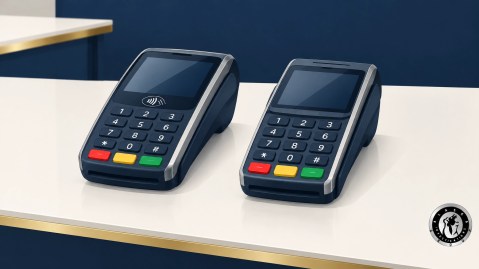
- Compare before swiping. Look at nearby terminals. Notice a reader that appears thicker, has unusual seams, or shows glue or tape residue.
- Check by touch. Your Alaska Link quoted Laura McElroy advising shoppers to inspect the reader and “give it a good tug.” If a part feels loose or out of place, do not use it.
- Shield your PIN. Cover your hand as you enter it. Check for unusual extra plastic or a camera around the keypad.
Some devices are concealed inside terminals and cannot be seen from the outside. That is one reason tap-to-pay is preferable when available. These are practical habits, not a guarantee that a terminal is safe.
If your card or benefits are hit
If a bank card may be compromised, contact the financial institution promptly and follow its instructions. If SNAP benefits are missing, call the EBT customer-service number on the back of the card and contact your local SNAP office. Change your PIN and ask what replacement rules apply in your state. Most states do not replace stolen benefits, and there is currently no federal recourse, so prompt reporting matters if a state process is available.
Report suspected fraud to the FTC; report online elements to the FBI’s IC3. Keep relevant receipts and records of when you reported the issue and whom you contacted.
If you find a suspected skimmer, do not remove it. Tell the retailer and contact local law enforcement; Peck told Alaska’s News Source that officers can respond and remove the device. Anyone demanding payment to recover stolen benefits or funds may be attempting a second scam.
What a private investigator can, and cannot, do
Where lawfully directed, a private investigator may help a business document a suspected tampering pattern (such as dates, locations and terminal changes) research public information about a suspected vendor or entity, or prepare a written timeline for review by counsel or law enforcement.
A private investigator cannot remove a device, access payment-network records, recover stolen funds, guarantee identification of a thief or promise an outcome. A suspected skimmer is a law-enforcement matter; reporting it is the right first step. For merchants, Peck recommended daily terminal checks, markings or seals, and staff training.

Frequently asked questions
What does a card skimmer look like?
Modern devices can be hard to spot. Compare a terminal with nearby readers and look for unusual seams, residue, extra thickness or loose parts. Some devices are hidden inside terminals and cannot be seen from the outside.
Are EBT/SNAP cards more vulnerable than bank cards?
Many EBT cards still rely on magnetic stripes rather than chips, and magnetic-stripe information is easier to copy. NPR and the GAO have also reported that stolen benefits are not replaced in most states.
What should I do if my SNAP benefits were stolen?
Contact the EBT customer-service number on your card and your local SNAP office promptly. Change your PIN, ask about your state’s replacement rules, and report the incident to the FTC; use IC3 for online elements. Replacement is not available in most states.
Is tap-to-pay safer?
Yes. Peck advised shoppers to prefer tap-to-pay because it does not use the magnetic stripe. Use the chip next when tap is unavailable, and swipe only when needed.
Can a private investigator find who skimmed my card?
There is no guarantee. Law enforcement leads investigations into suspected skimming. A private investigator may help document a pattern or organize public-record research when lawfully directed, but cannot promise an identification or recover funds.
Sources
- Alaska’s News Source / KTUU: Secret Service sweeps Anchorage businesses for card skimmers
- Your Alaska Link: Card skimmers threaten Alaskans’ money and SNAP benefits
- NPR: A major source of SNAP fraud robs recipients of millions
- U.S. Government Accountability Office report on SNAP benefit-theft prevention
General information only; not legal advice. Replacement rules and card technology vary by state and may change. Contact your card issuer, EBT customer service, local SNAP office and law enforcement as appropriate. Alaska Investigations Group is not a law firm and is not law enforcement.
Alaska Investigations Group has more than 10 years of professional investigative experience. Our services may include lawful documentation of suspected tampering patterns and public-record research. We cannot compel records, subpoena, remove skimming devices, recover funds or guarantee results. We do not accept every request.
Licensed Private Investigations Agency in Anchorage, Alaska. License 1126. Serving statewide except Fairbanks.
For a confidential, no-obligation consultation about documenting a tampering pattern or researching public records, request a consultation, call (907) 232-4731, or email mrrems@protonmail.com. We are not law enforcement and cannot remove devices or recover funds. No outcome is promised.


